
.png)


OUR EXPERIENCES
Co-creating Urban Space – Tsim Sha Tsui Urban Council Centenary Garden New Design
Community Design Lab - Underground Romance with East TST


Background
Summers in Hong Kong are known for their high humidity and frequent heavy rainfall, leading to concerns about flooding, especially in low-lying areas. While there will be more frequent extreme weather events under the threats of climate change, these areas are at an increasing risk of flooding. Located in the Yau Tsim Mong District, Chatham Road South is one of the four flooding blackspots of Hong Kong as of its proximity to the sea, low elevation, and the aged drainage systems in the district.
In order to alleviate the flood risk of the area and as an adaptive measure in response to the challenge posed by climate change in the future , DSD plans to conduct the drainage improvement works in the area, including an underground stormwater storage tank underneath part of the Urban Council Centenary Garden (“The garden”) and the new stormwater drains. The concerned part of the garden will be reinstated after the works, which presents an opportunity for a new design. We hope to collaborate with the stakeholders of the community to reimagine the future design of the reinstated garden, ensuring that the voices of the community can be heard and integrated into the development.
After the completion of the underground stormwater storage tank, HOW MIGHT WE design the reinstated garden which can meet user needs of different people for a better user experience in the future?
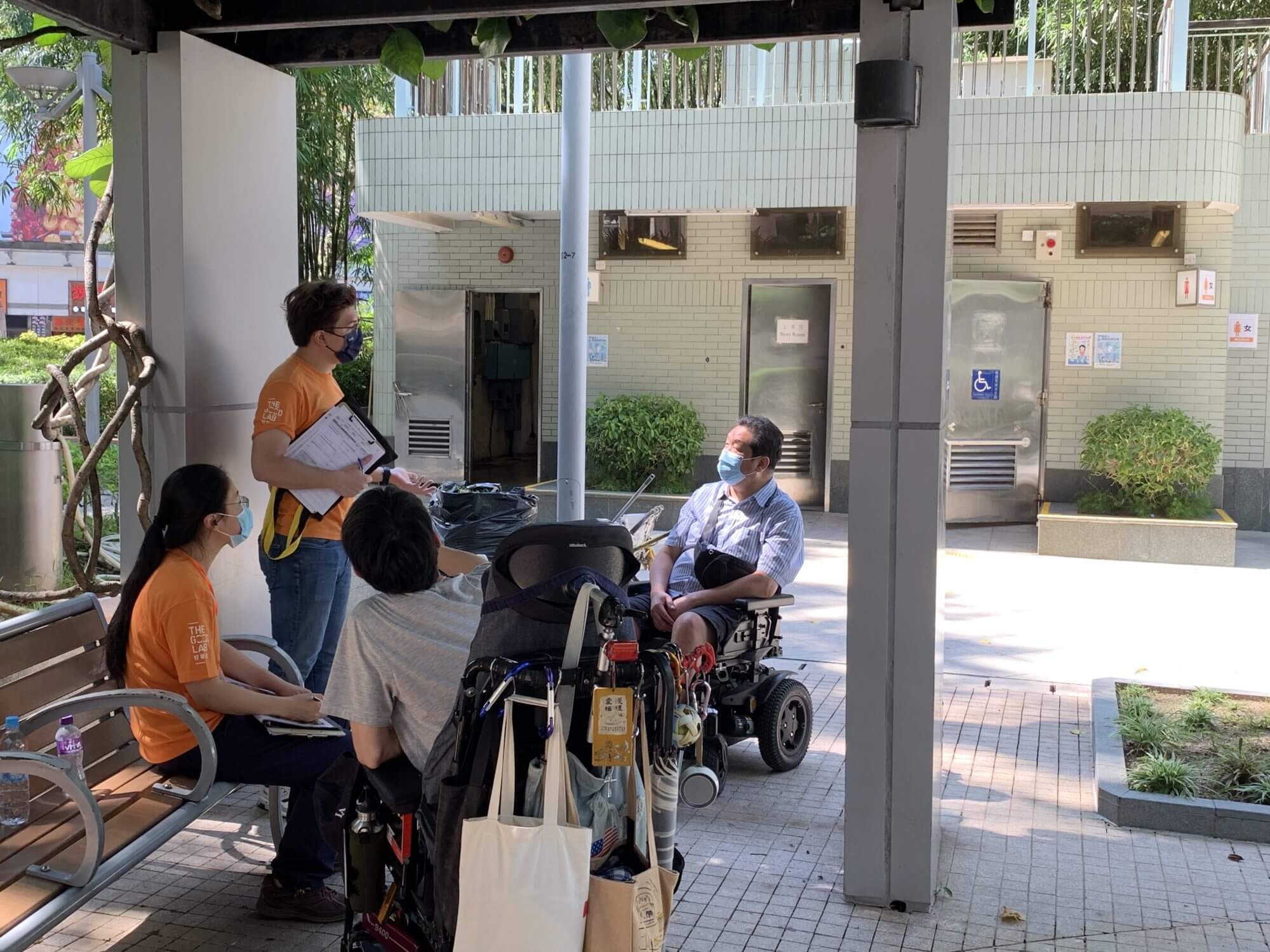
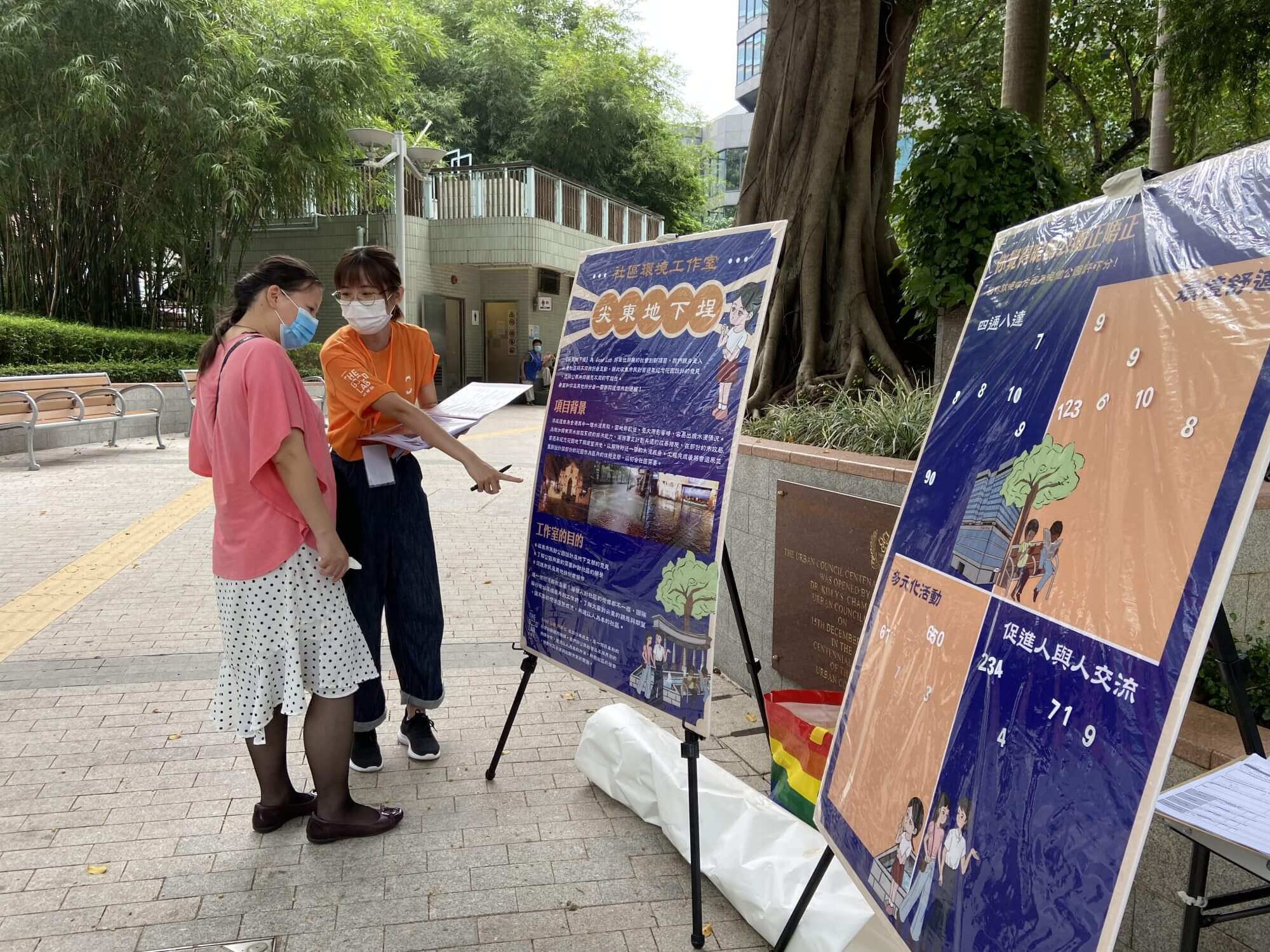
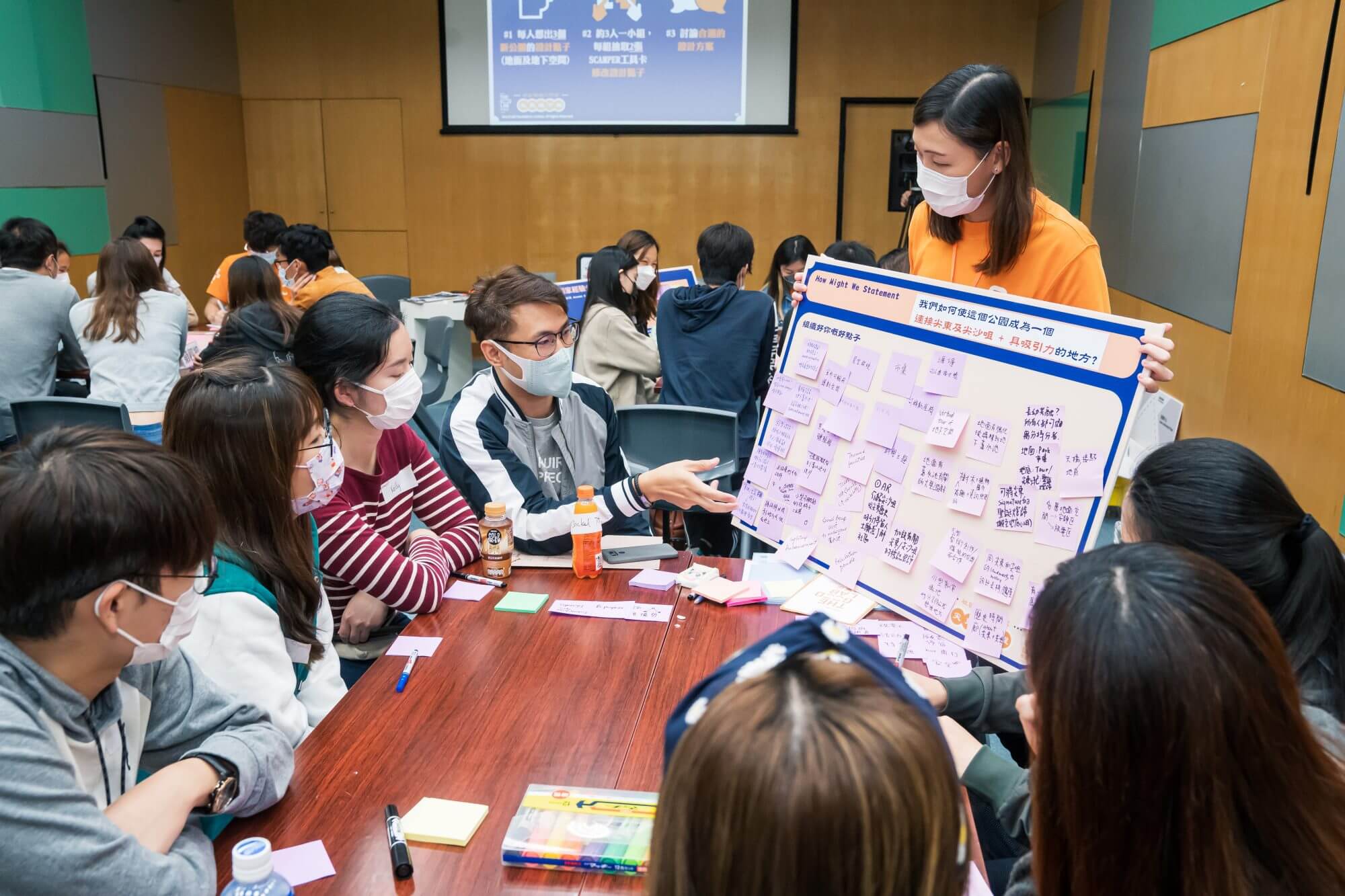
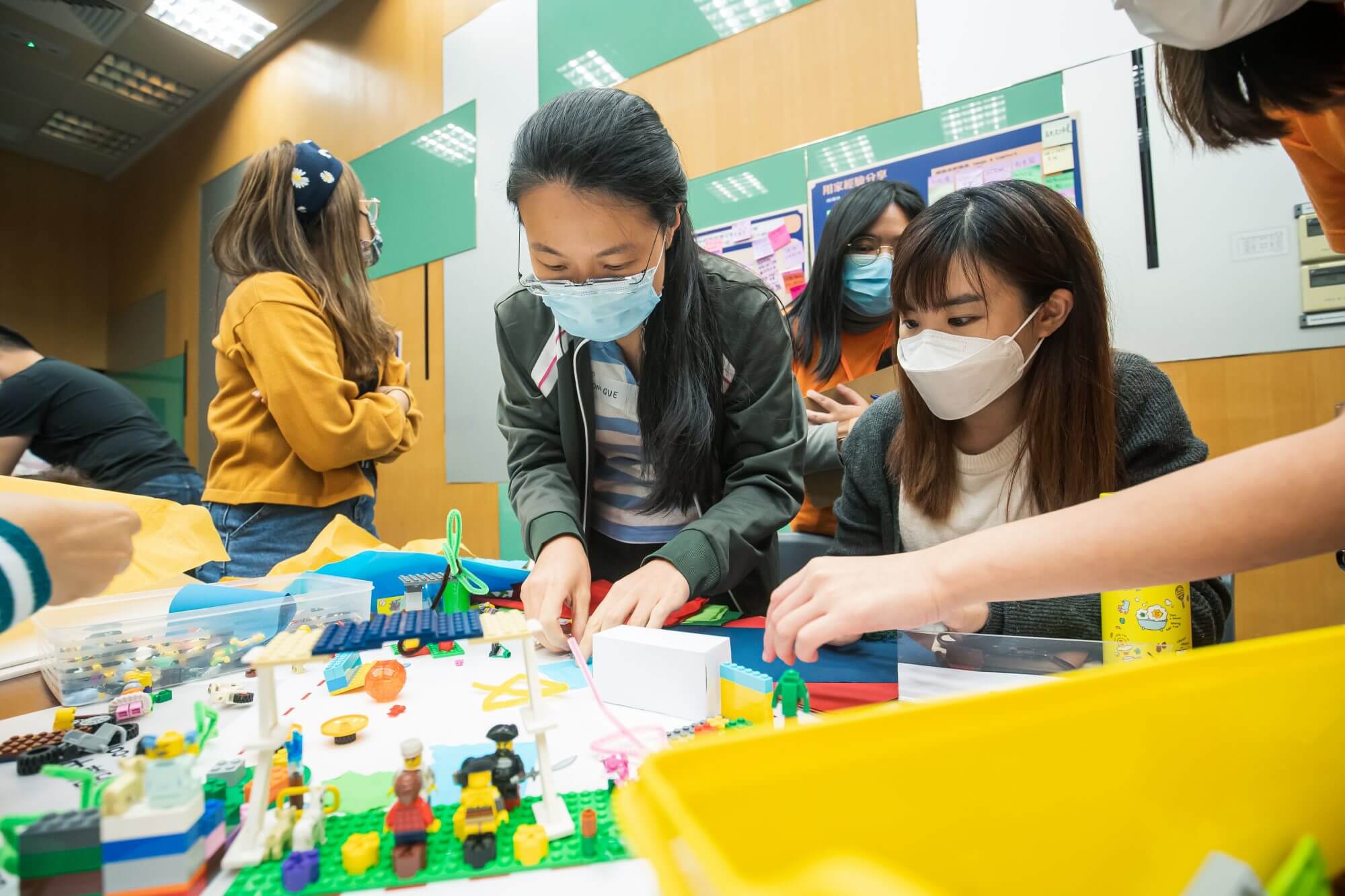
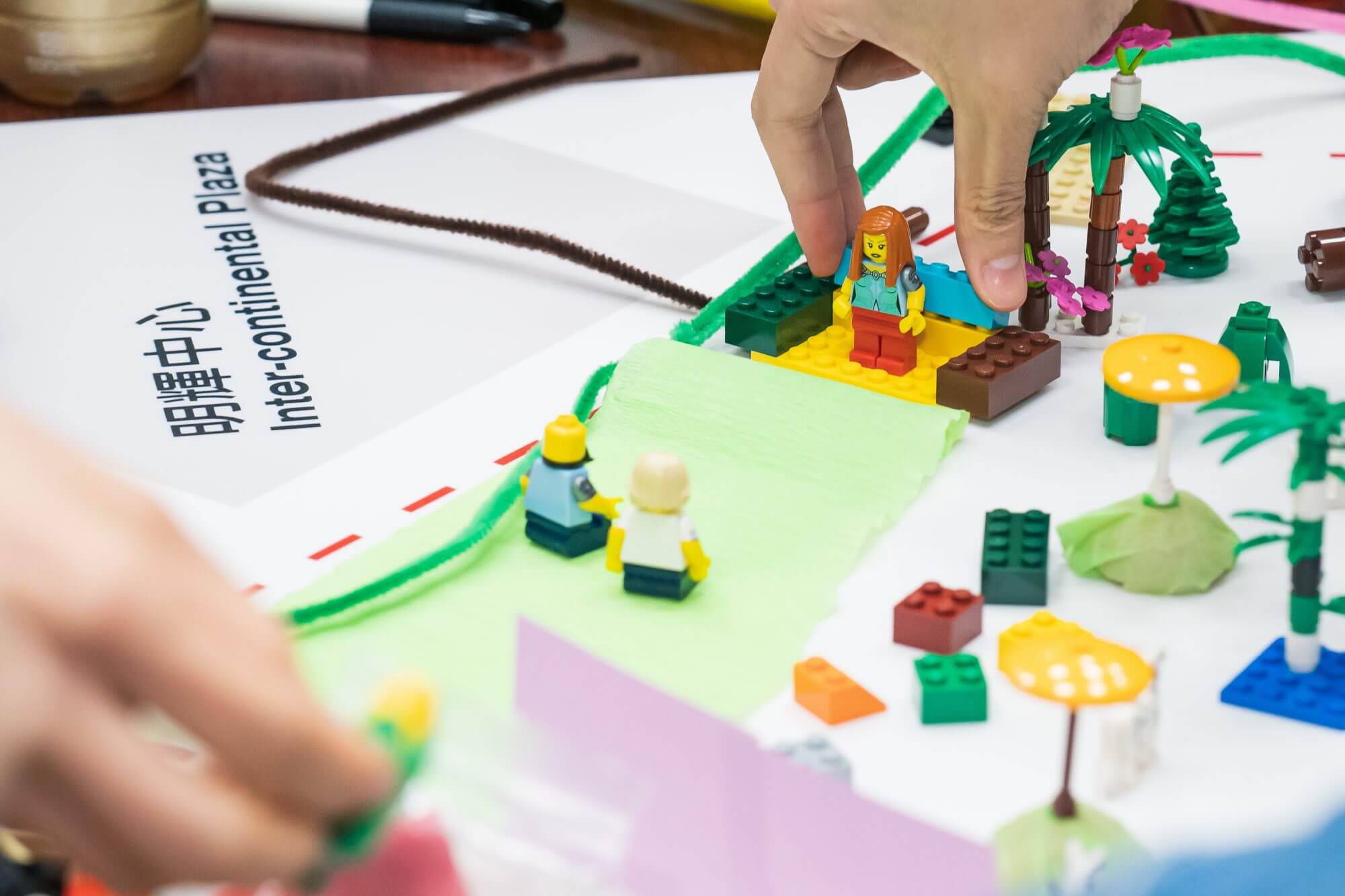
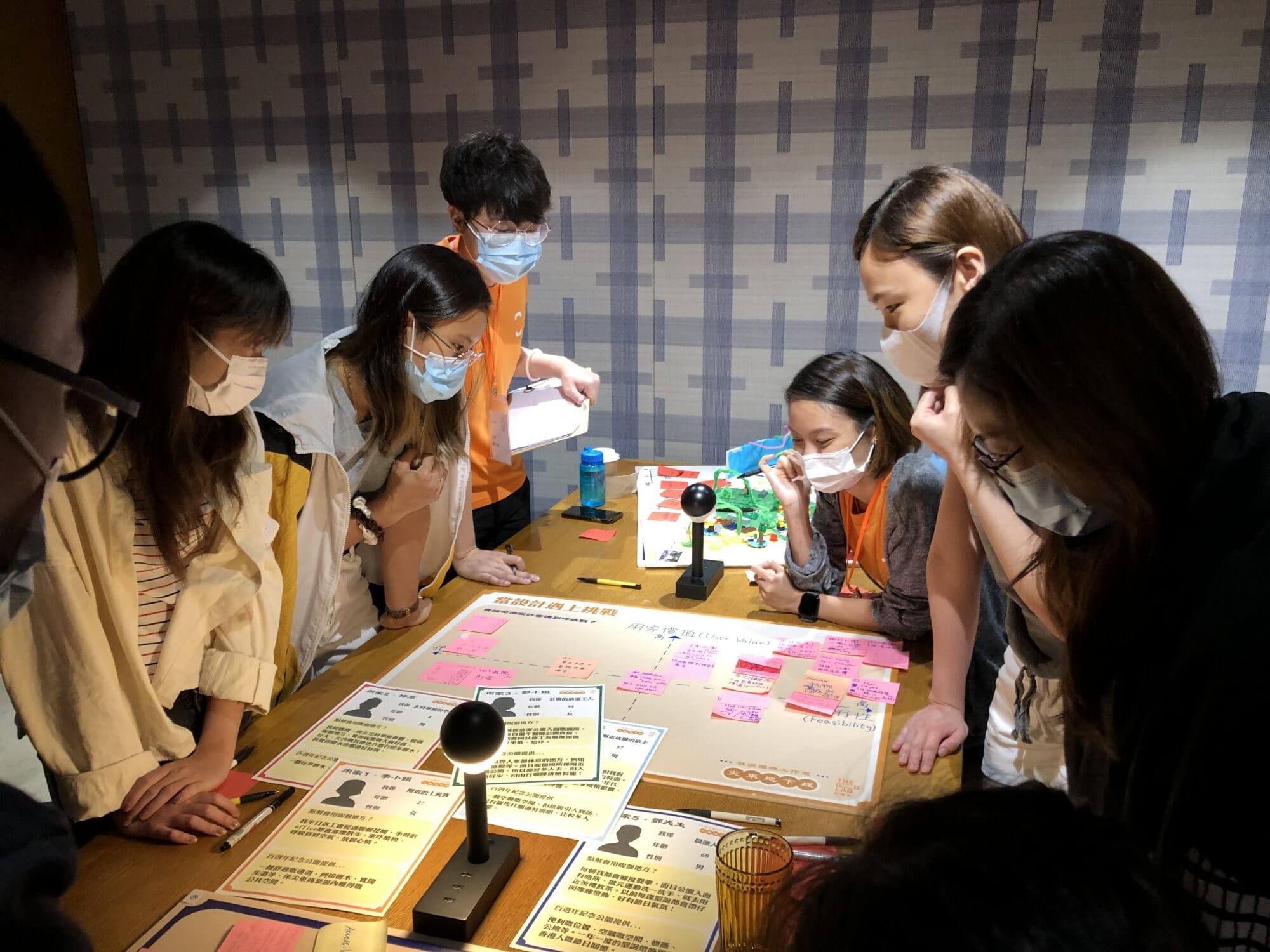
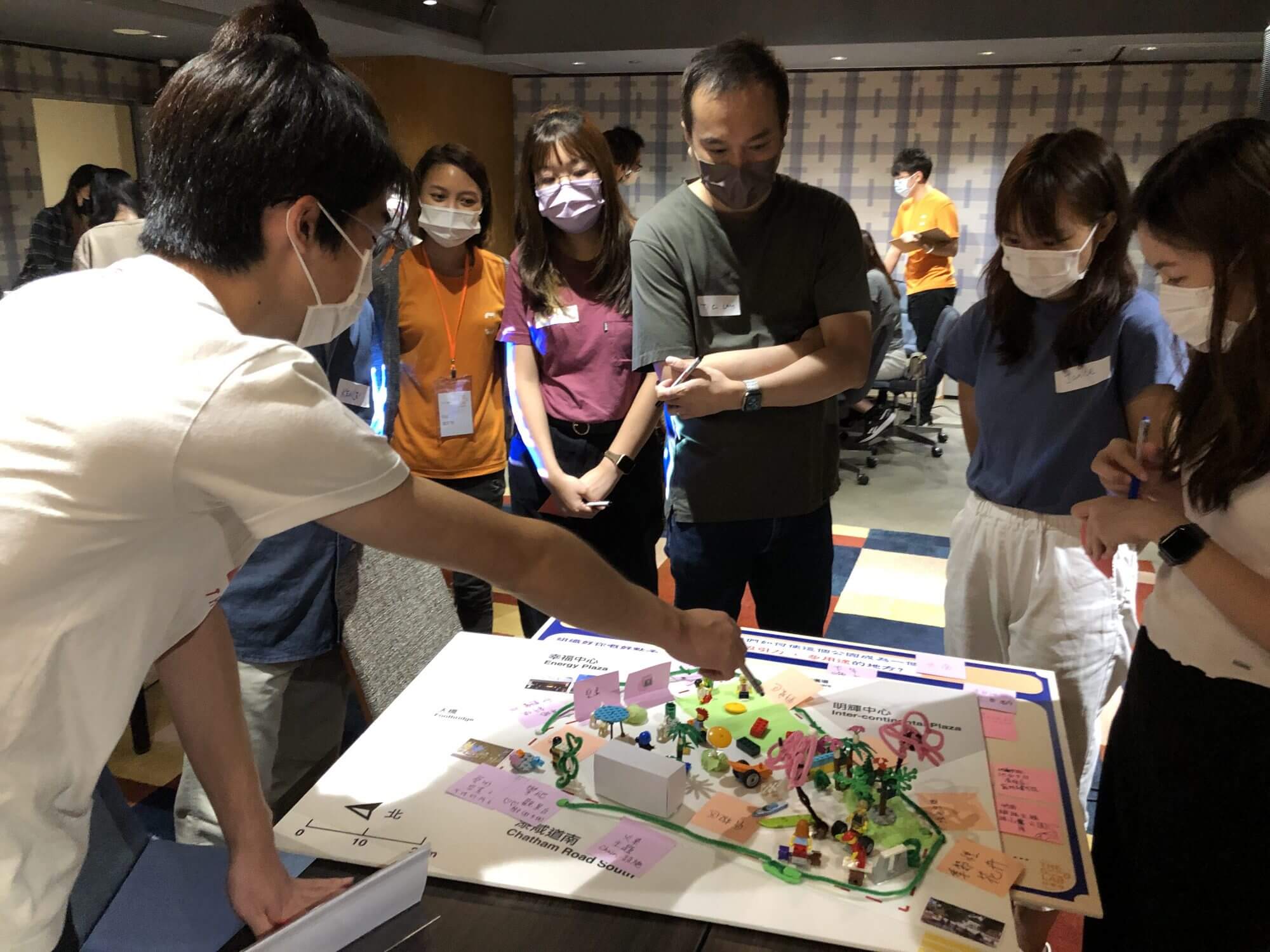
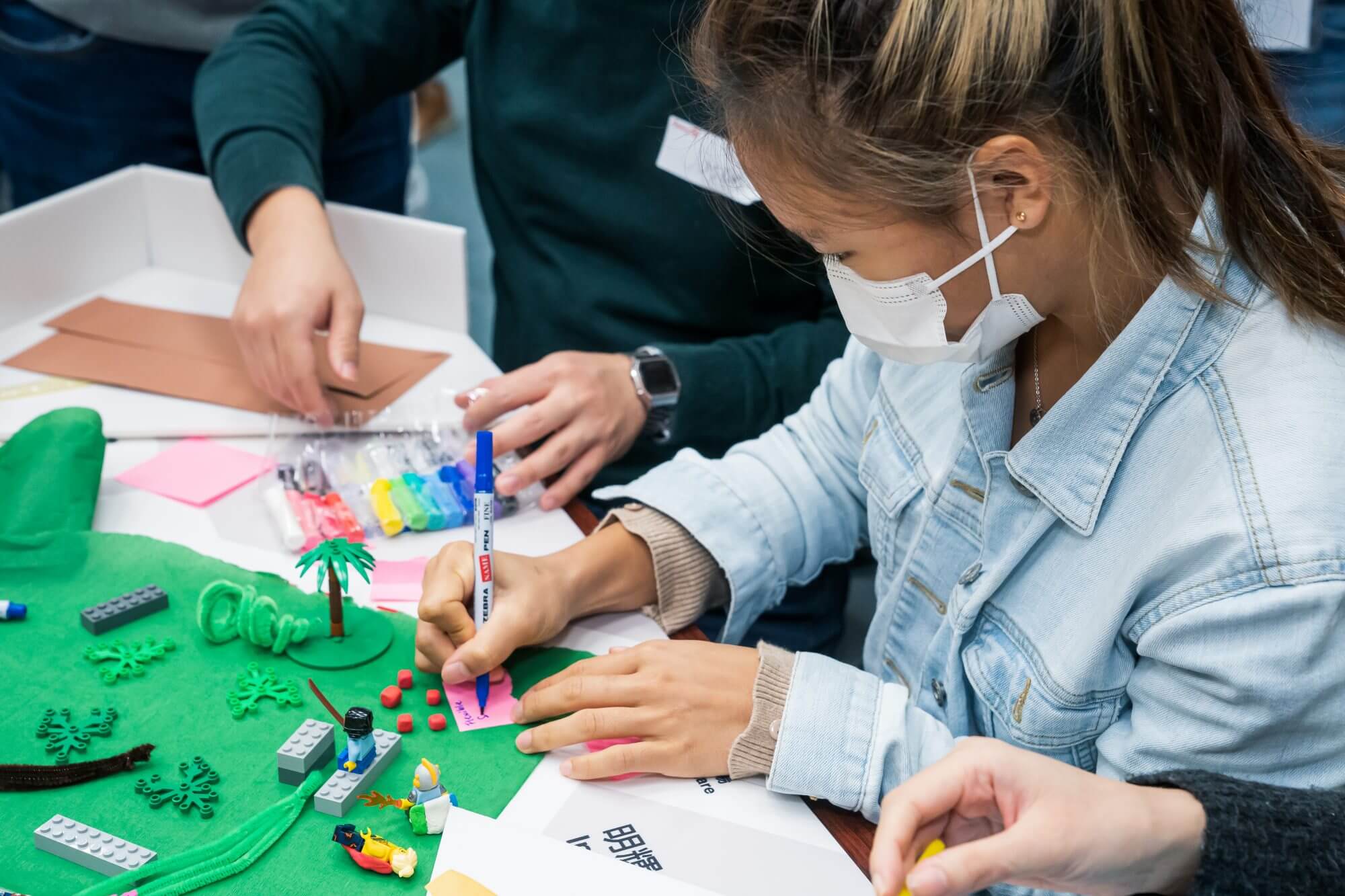


Our Approach
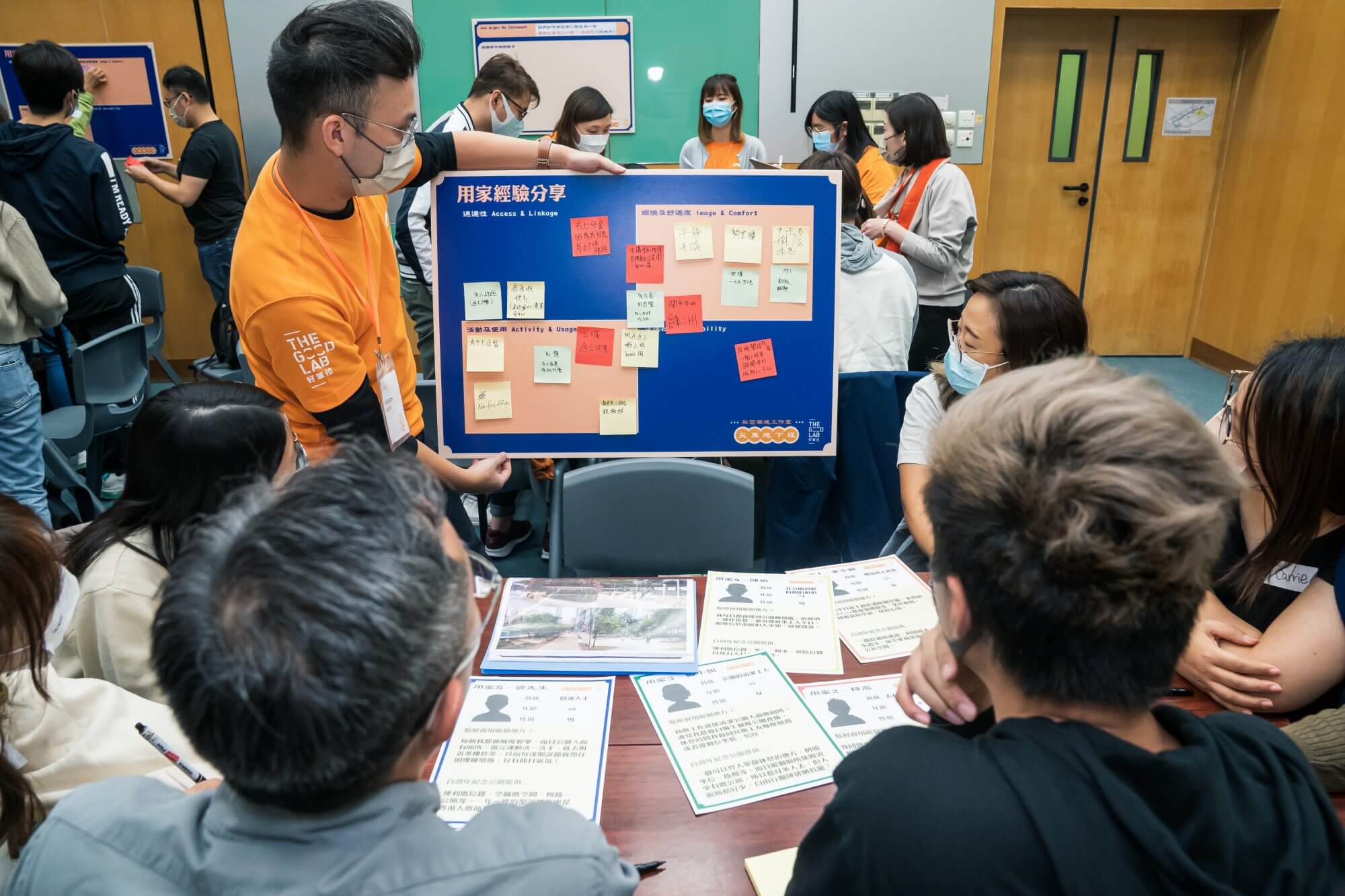
As the Design Thinking and public engagement partner of the project, we have conducted a comprehensive six-month-long engagement process. It is focused on empathy building to gain a deeper understanding of the community’s needs and aspirations.
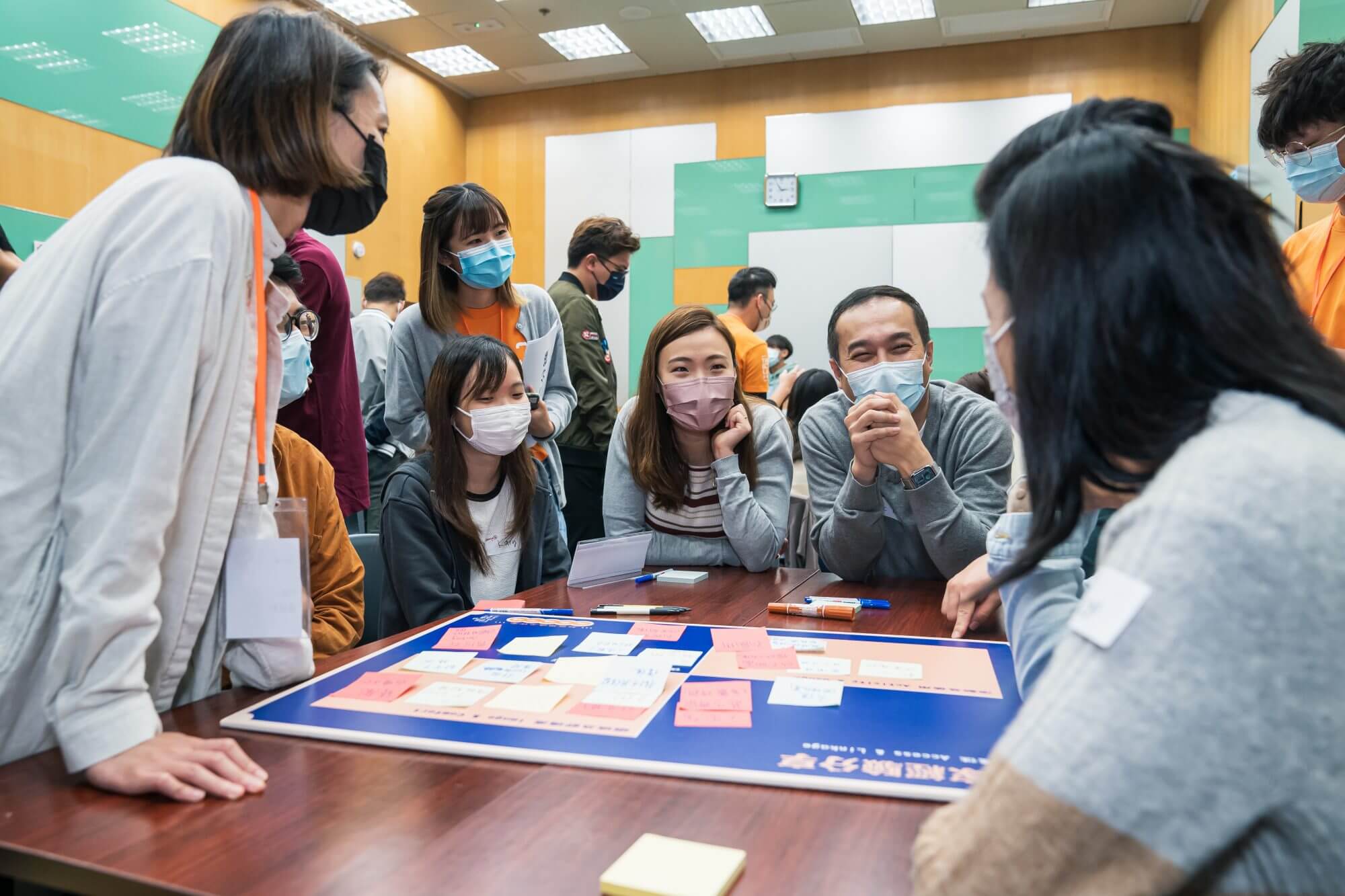
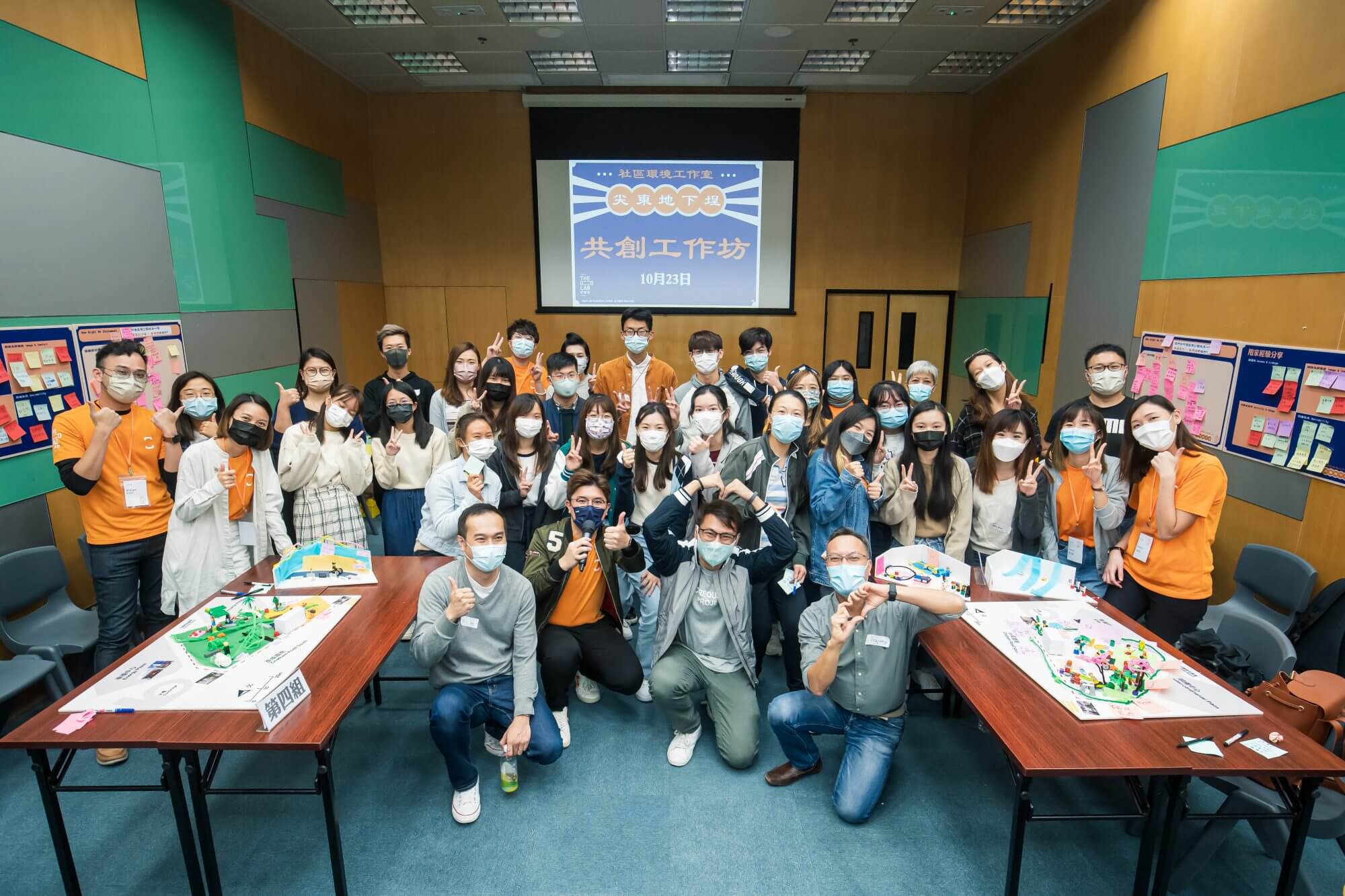
In this endeavour, the project team adopted a cross-sector collaborative effort to design a co-creation journey that allows stakeholders from various backgrounds to come together and participate in a constructive exchange of ideas, enriching the project with innovative insights.
Designing with User-Centric Approach:
Not only we observe how users interact in the garden but also explore the garden’s role in the community. With these user experiences and needs gathered through interview, we pinpoint key user concerns and design essentials for the garden’s future design, fostering further co-creation
Engaging Stakeholders as Community Co-Creators:
Citizens interested in local development and urban spaces were recruited to be community co-creators. Through continuous participation, they become integral team members, together we explored and analysed the community’s aspirations.
Facilitating Co-Creation Among Diverse Stakeholders:
Bringing together garden users, community members, relevant professionals, and engineers from the Drainage Services Department, we facilitate meaningful dialogue between diverse angles. The discussion frameworks and participation processes that we designed are easily comprehensible, encouraging collective brainstorming on future garden designs tailored to user needs.
Where we see impact
- The co-creation process provides stakeholders from diverse backgrounds with the opportunity to participate in the design process, inputing a user-centric perspective and innovative ideas into the new design of the future garden.
- As stakeholders engage in co-creating the future garden design, they bring fresh observations and imaginations to various public facilities and spaces around Tsim Sha Tsui.
- The drainage improvements works at Chatham Road South in Tsim Sha Tsui have commenced in the third quarter of 2022 and are expected to be completed by 2027. By then, the garden will reopen with a new look.
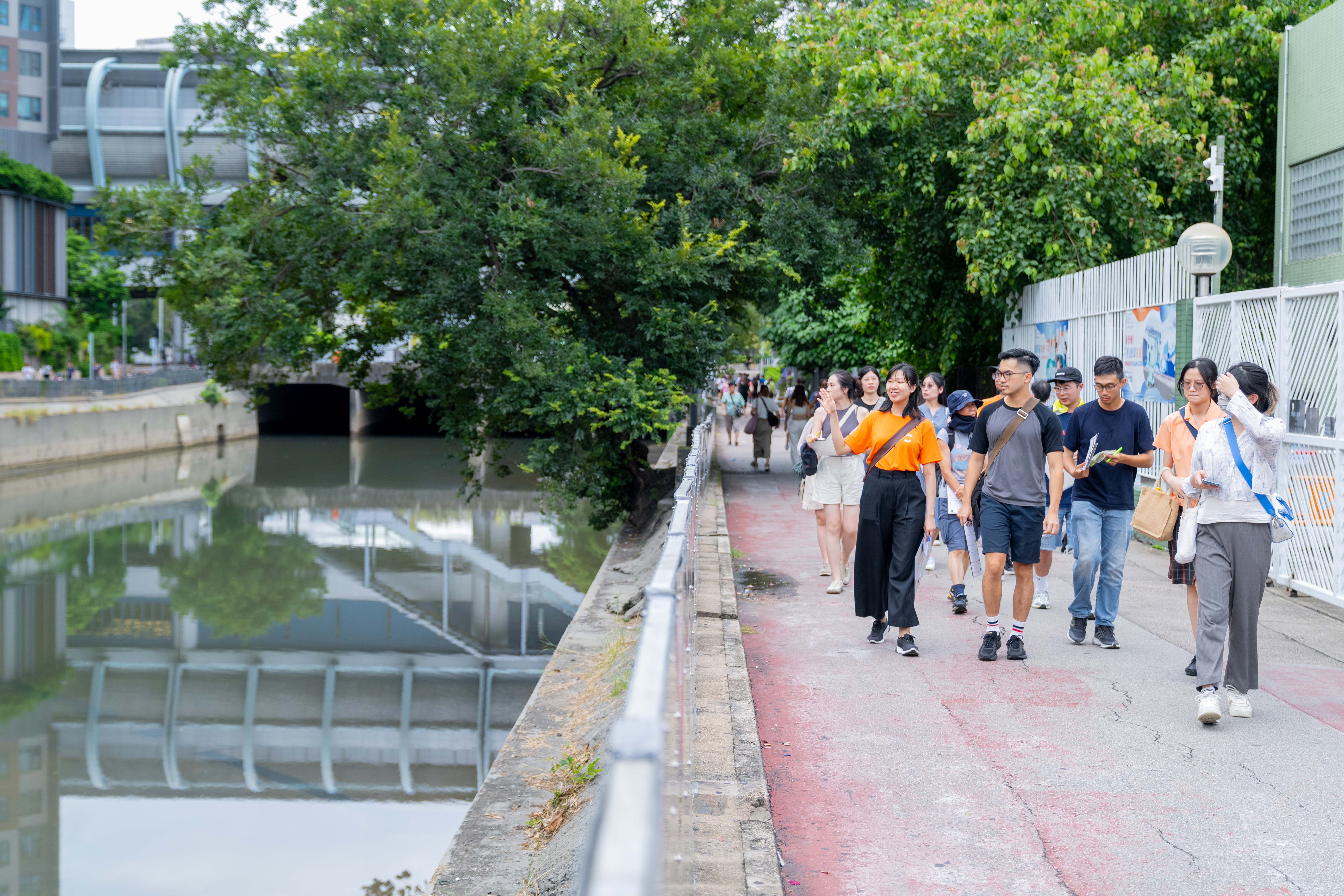
Urban River Revitalisation – Yuen Long Town Nullah Improvement Works

活用閑置空間—共好市集青年社區創業孵化
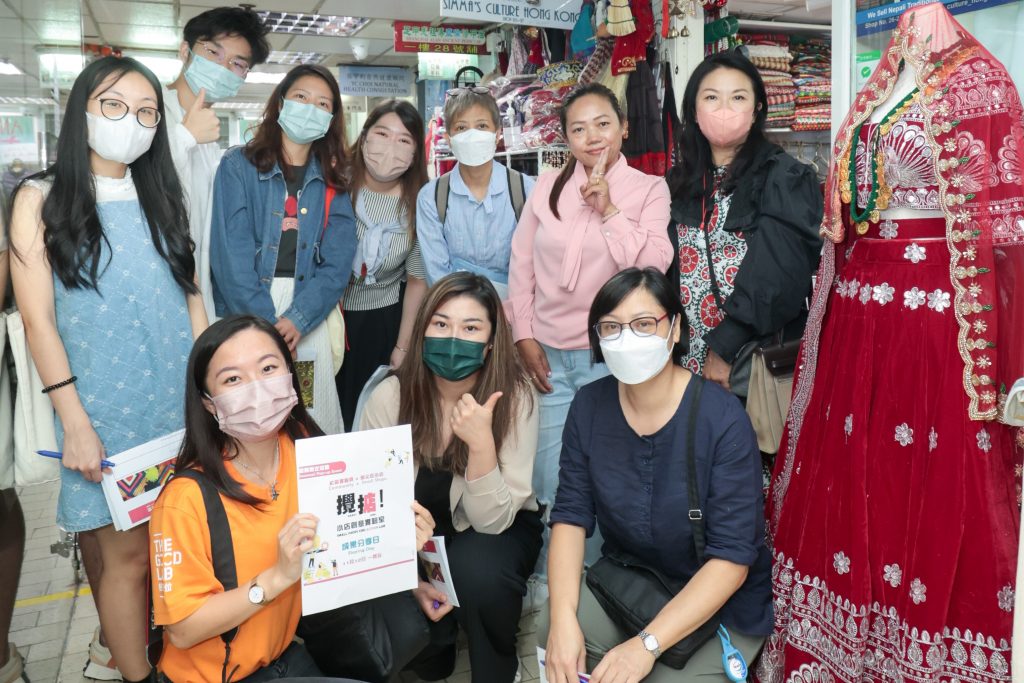
Foster Community Innovation – Small Shops Cre-Action Lab
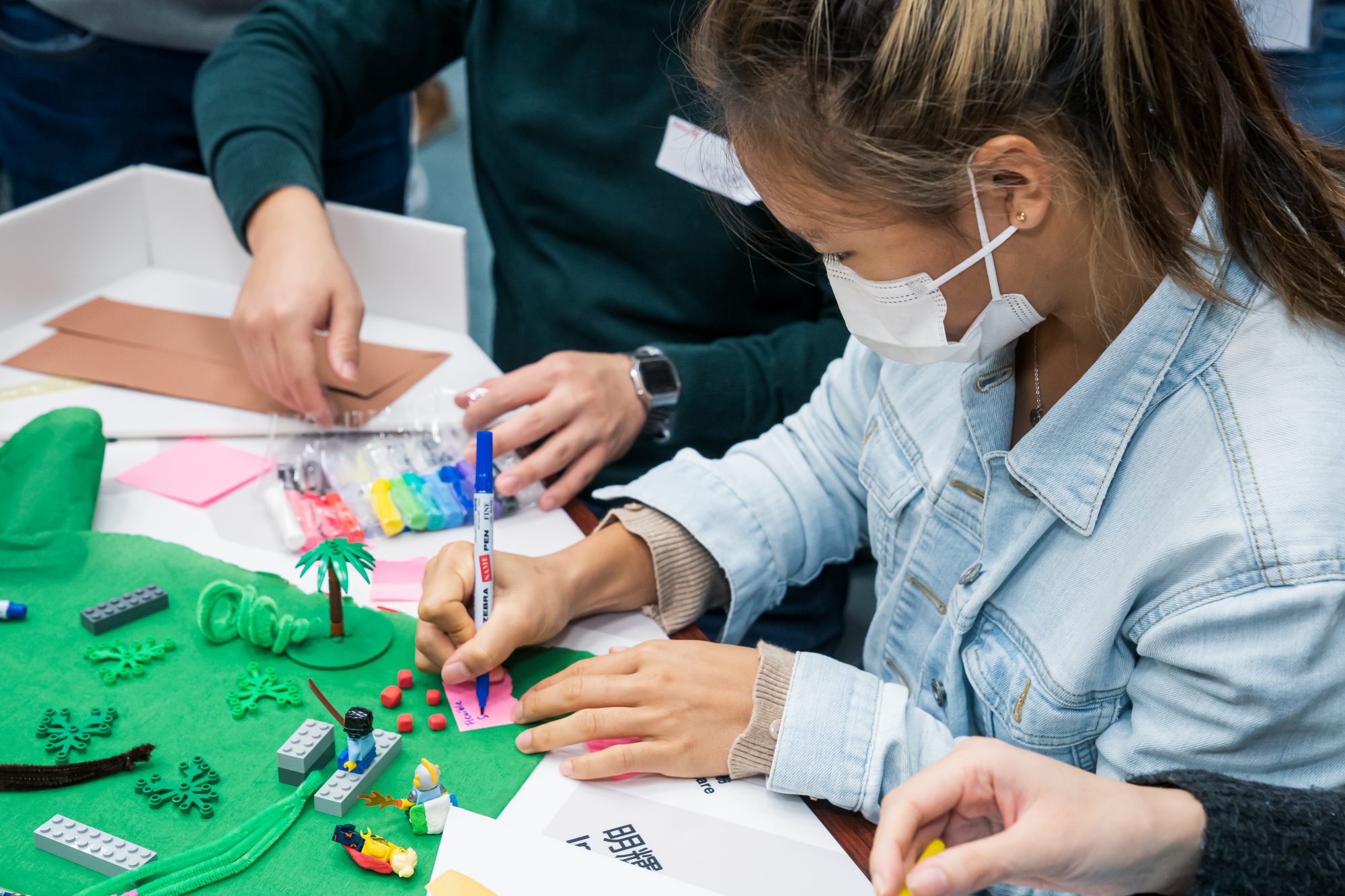
Co-creating Urban Space – Tsim Sha Tsui Urban Council Centenary Garden New Design

Rural Infrastructure Design – Drainage Improvement Works in Ta Kwu Ling
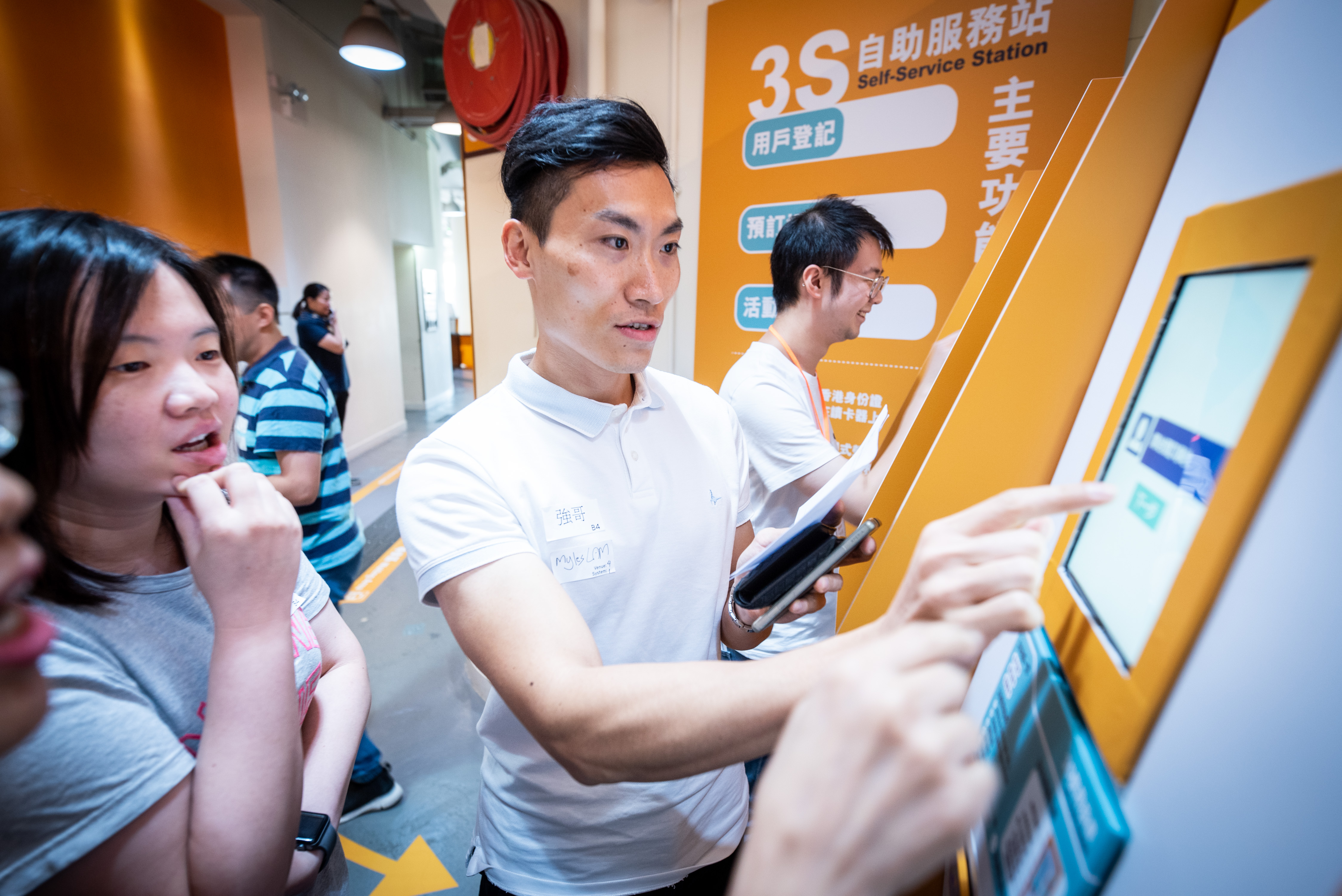
Public Service Innovation – Leisure Services Booking and Information System and Leisure Venues
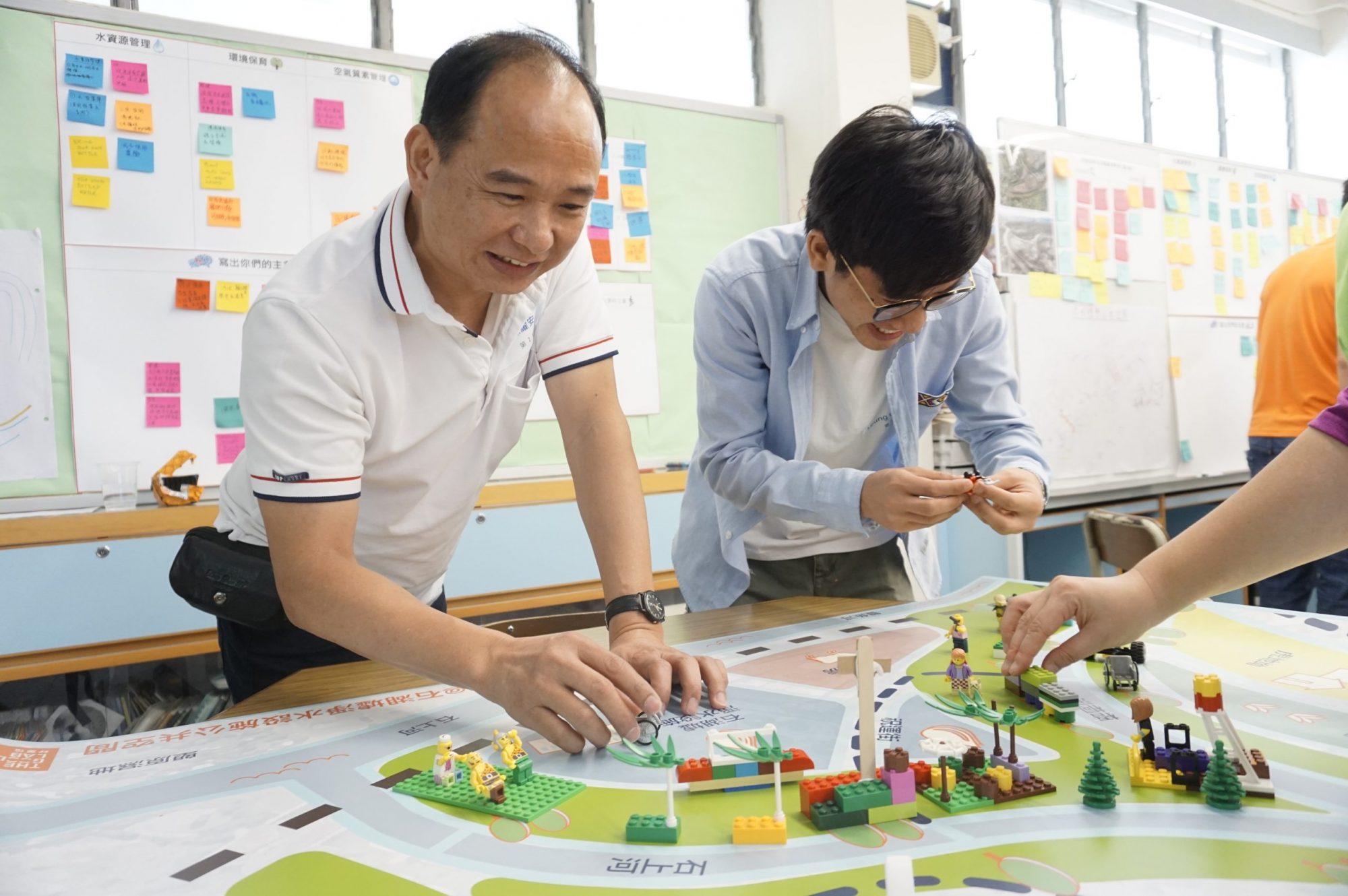
Community Space Design – Shek Wu Hui Effluent Polishing Plant and Peripheral Area
(EMAIL)
info@goodlab.hk(PHONE)
+852 2151 0747