


Impact-driven Strategies & Solutions
Mobilise knowledge from research and practice to develop into replicable innovation strategies and frameworks.

Many social projects accumulate valuable experience and data on the ground, yet these insights often remain isolated at the project level, making it difficult to transform them into knowledge that other organisations can reference and apply.
How We Collaborate
We act as your strategic thinking partner, moving beyond standard KPIs to uncover the "how" and "why".
Formulate Strategic Foresight & Organisational Resilience
We guide organisations through strategic planning processes that anticipate future social trends (e.g., aging, youth changes, micro-changemaking). We help you pivot from reactive service delivery to proactive, resilient strategy.
Develop Evaluation & Impact Narrative
We design qualitative evaluations for innovative projects, distilling experiences and learnings into shareable knowledge. Adopting a learning-oriented evaluation approach, we move beyond one-way reporting to walk alongside your team. By listening deeply to the lived experiences of diverse stakeholders, we uncover the key processes of transformation behind your service outcomes—translating findings into actionable recommendations for service improvement and lasting organisational learning
Codify Practice into Replicable Models
We partner with you to "download" the tacit knowledge of your frontline teams. We turn successful pilot projects into structured frameworks, toolkits, or "playbooks" that can be scaled or adopted by the wider sector.
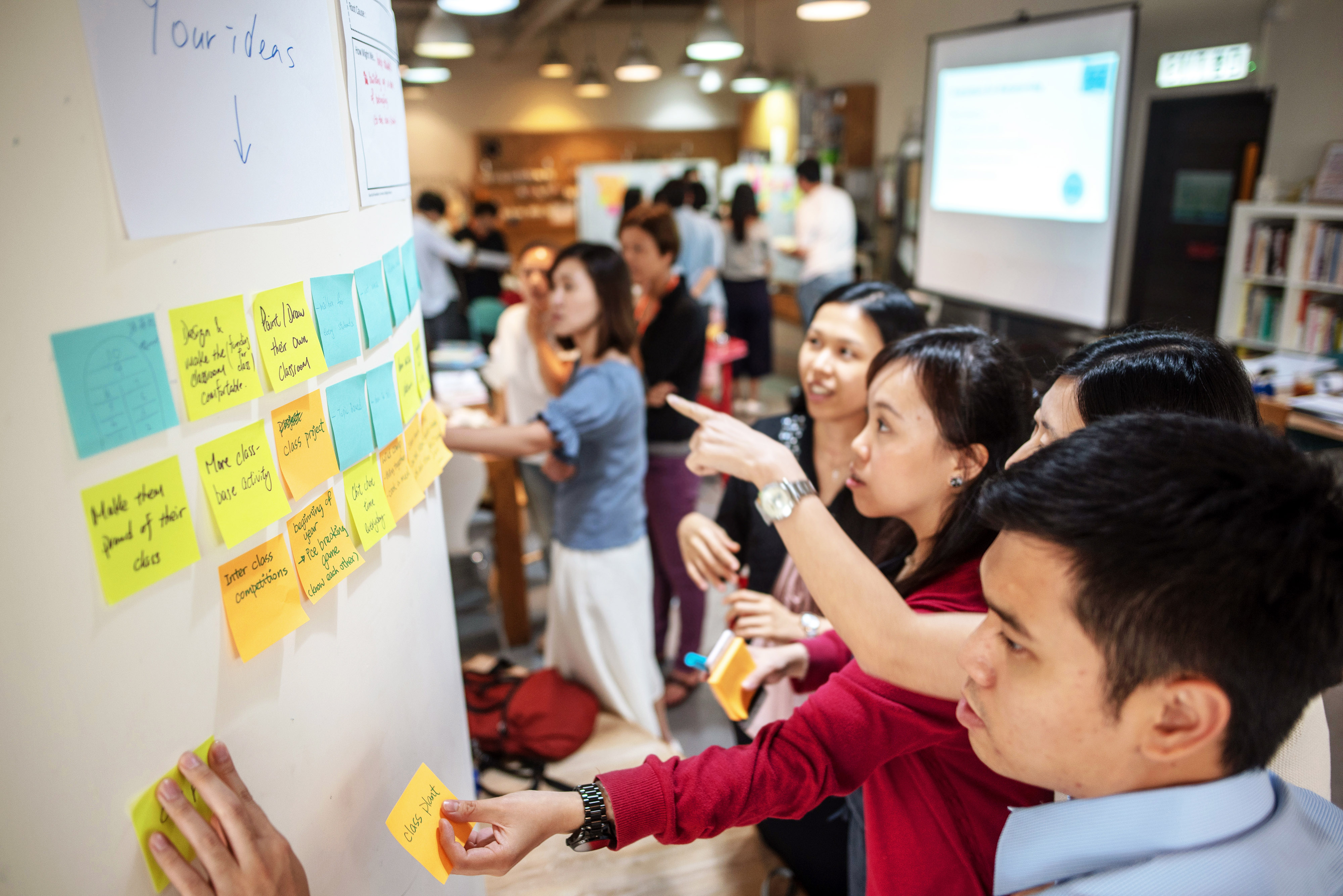
Our Approach
Research isn't just about producing a report—it is a capacity-building intervention in itself.
Participatory Action Research: We don't just study your beneficiaries; we treat them as co-researchers. By engaging stakeholders, we ensure the strategy is rooted in reality, not theory.
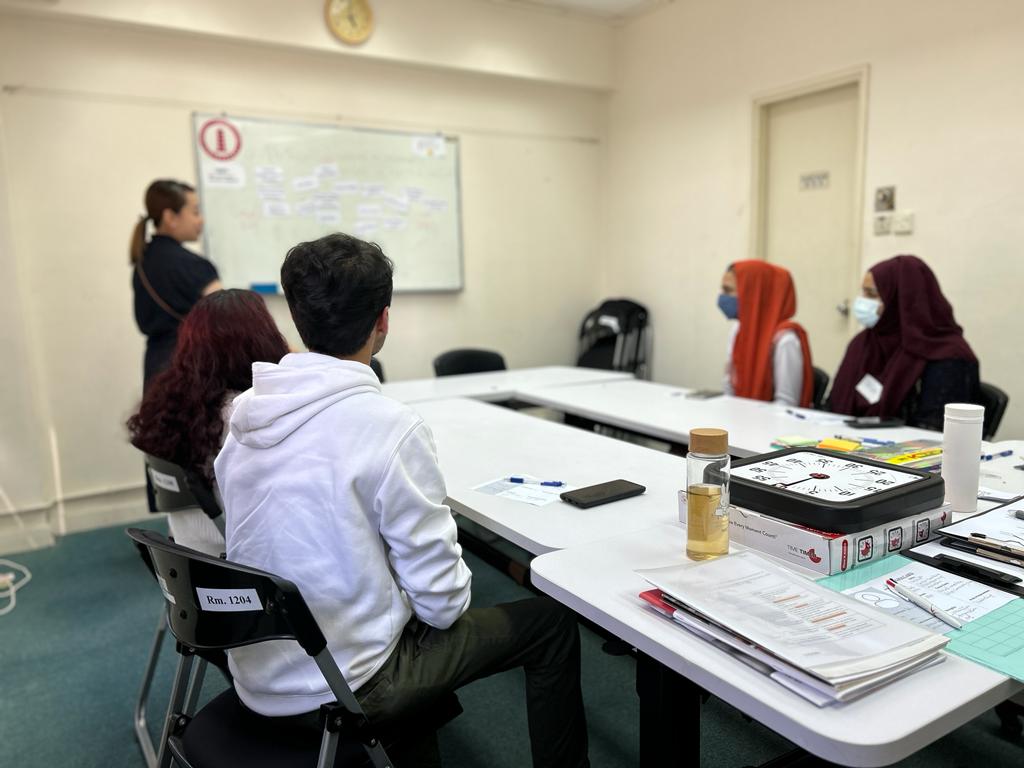
Process Design for Clarity: We believe the process is as important as the outcome. We facilitate structured reflection workshops and dialogues that create a safe space for teams to analyse failures, celebrate successes, and align on a shared vision.
From "Reporting" to "Learning": We shift the focus from "proving" to "improving." Our approach helps you build an internal culture of learning, where data and insights are used to continuously iterate and enhance service models, rather than just satisfying funding requirements.
Our
Experience
Our
Insights





(EMAIL)
info@goodlab.hk(PHONE)
+852 2151 0747