
.png)


Community Innovation
[How Come Communities Learning Series] Rethinking Community Building: Starting from "Relationship Building"
(PUBLISHED)
December 17, 2025
(WRITER)
Cody@Good Lab
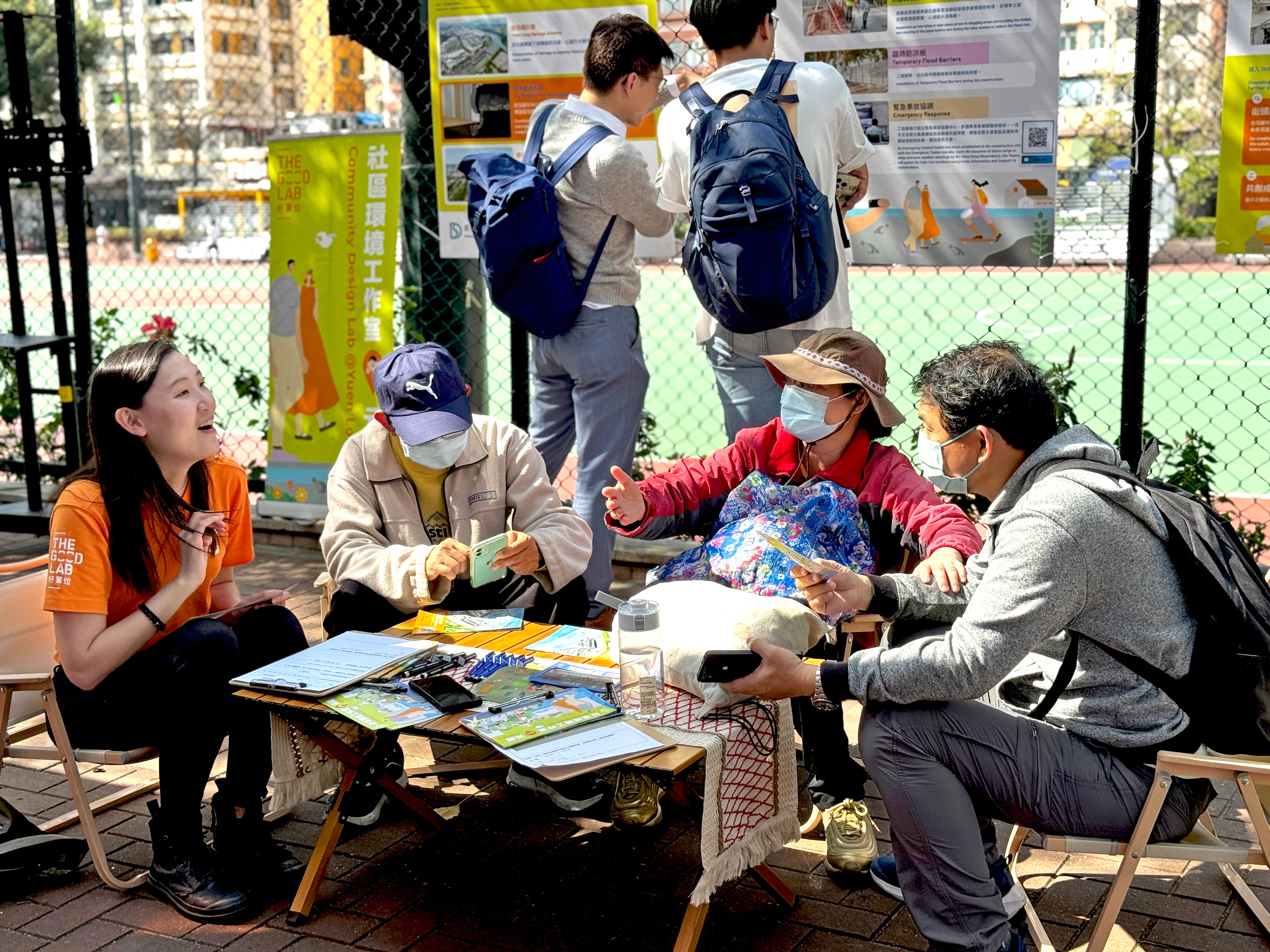
As community building gains traction as a popular buzzword within Hong Kong's social innovation sector, numerous organisations routinely embed the concept into public events. They deploy it as a model for community engagement and collaborative participation. While we welcome the proliferation of community initiatives across different districts, we want to invite stakeholders to re-examine the core concerns underpinning community building. In our previous article [Note 1], we noted that shifting the focus from "place" to "community" points toward a deeper concern for relationships. Taking this as our starting point, we find that the essence of community building is relationship building—a continuous process of imagining and reshaping the diverse relationships within a neighbourhood.
Prioritising Relationships Before Space
Mainstream approaches to community building have historically relied on predetermined spatial boundaries. They use geography to define the primary participants before determining how to intervene in the physical environment. Large-scale government projects such as the Northern Metropolis development strategy intend to adopt community building as a conceptual framework for new development areas. Yet this top-down approach often overlooks the complex relational fabric embedded within local communities. It also risks pathologising community issues, reducing policy responses to a form of solutionism.
As practitioners of community building, Good Lab believes that starting from people and actively shaping relationships between individuals and their wider community—rather than merely addressing spatial problems—empowers residents more effectively. This relational approach builds a resilient public capable of confronting future challenges.
Although interpersonal relationships take many forms, we argue that community building practice can be structured around five key dimensions of connection.
The essence of community building lies in starting from people and cultivating five key connections.

1. Self: Exploring the Meaning and Needs of Community Life
As individuals living within a neighbourhood, people must learn to examine themselves and recognise their own needs within the community before engaging with the outside world. After all, everyone's presence in a specific place stems from distinct life experiences and reflects particular values.
The first relationship to cultivate is therefore the connection between the individual and the self. This involves encouraging residents to re-examine the meaning of community life and identify which of their needs are being met or left unmet. Using this as a starting point, community initiatives help participants process daily observations and emotional responses to their surroundings, clarifying the personal significance of participating in local life. This internal reflection serves as the foundation for broader public engagement.
2. Others: Cultivating Empathy and Shared Value
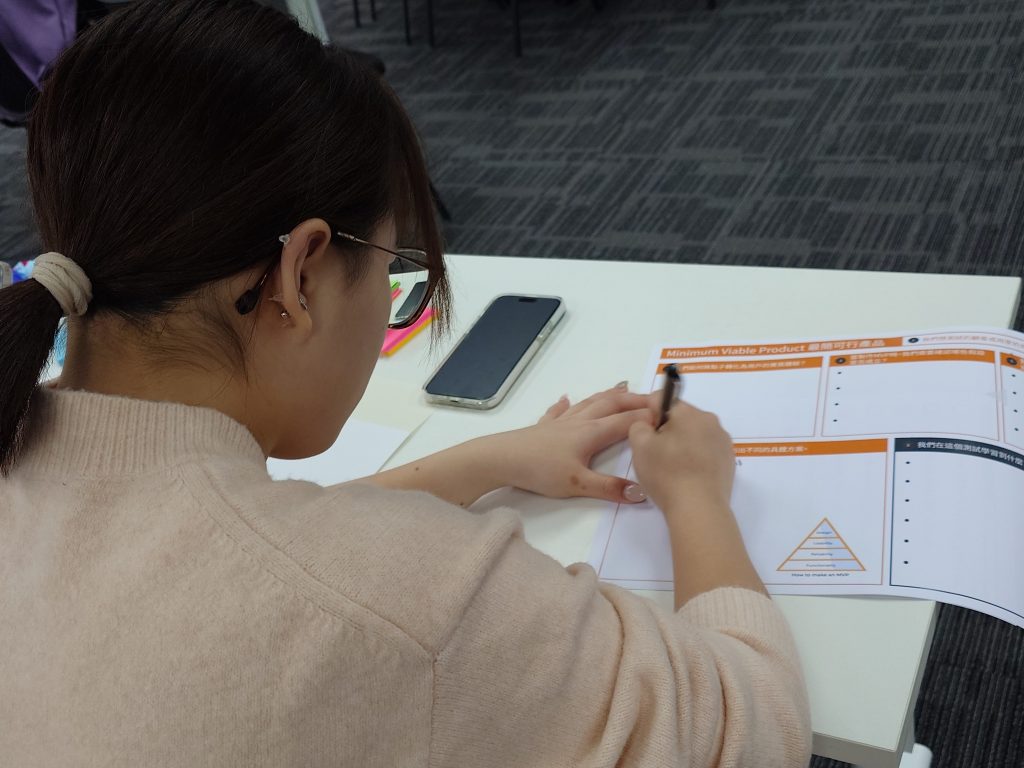
A healthy and constructive interaction between individuals within a community relies on mutual validation, empathy, and the ability to find common ground amidst differing viewpoints. The value provided by community practitioners lies in fostering empathetic capacities. This encourages participants to express their own perspectives while listening attentively to others, thereby clarifying shared values alongside divergences.
Even within a brief workshop setting, participants can form an empathetic collective through collaborative creation. Such processes demonstrate to individuals that connecting with others yields an impact greater than the sum of its parts.
3. Knowledge: Acquiring and Exchanging Place-Based Knowledge
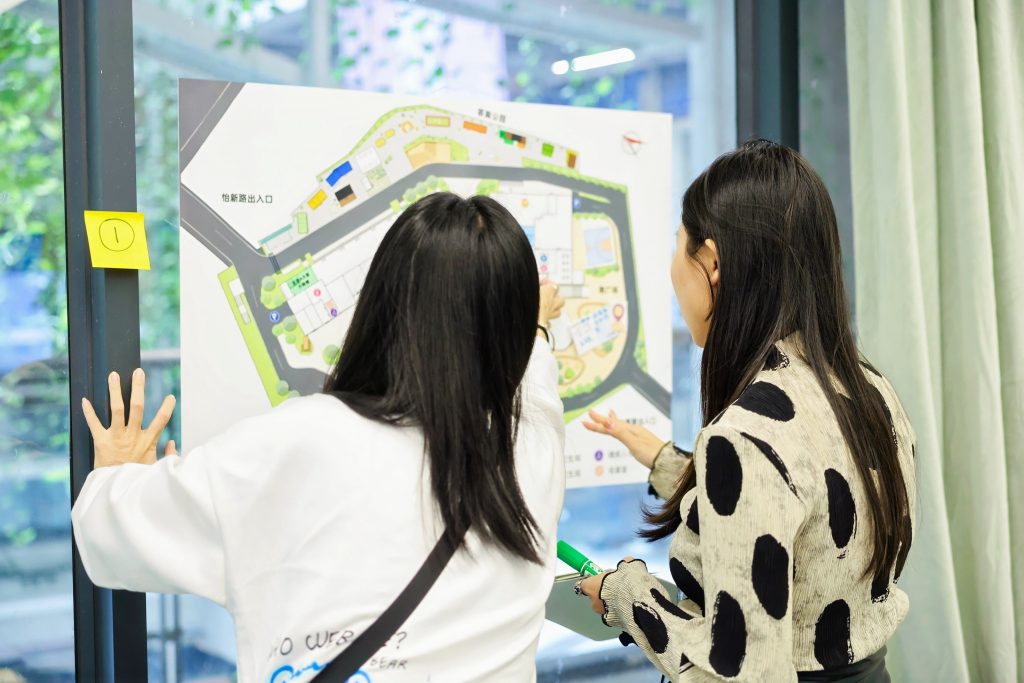
Access to knowledge has traditionally been monopolised by established institutions, particularly academic authorities and public agencies. Yet through daily routines, individuals accumulate rich place-based knowledge within their neighbourhoods. Every community functions as a repository of experiential expertise.
Community building treats every resident as a legitimate producer of knowledge. By bringing these insights together, integration breaks down rigid, top-down frameworks. Crucially, this process restores people's confidence in their capacity to generate knowledge, reshaping the relationship between individuals and information so that local wisdom serves as the basis for alternative community visions.
4. Environment: Introducing Spatial Thinking to Grasp Neighbourhood Totality
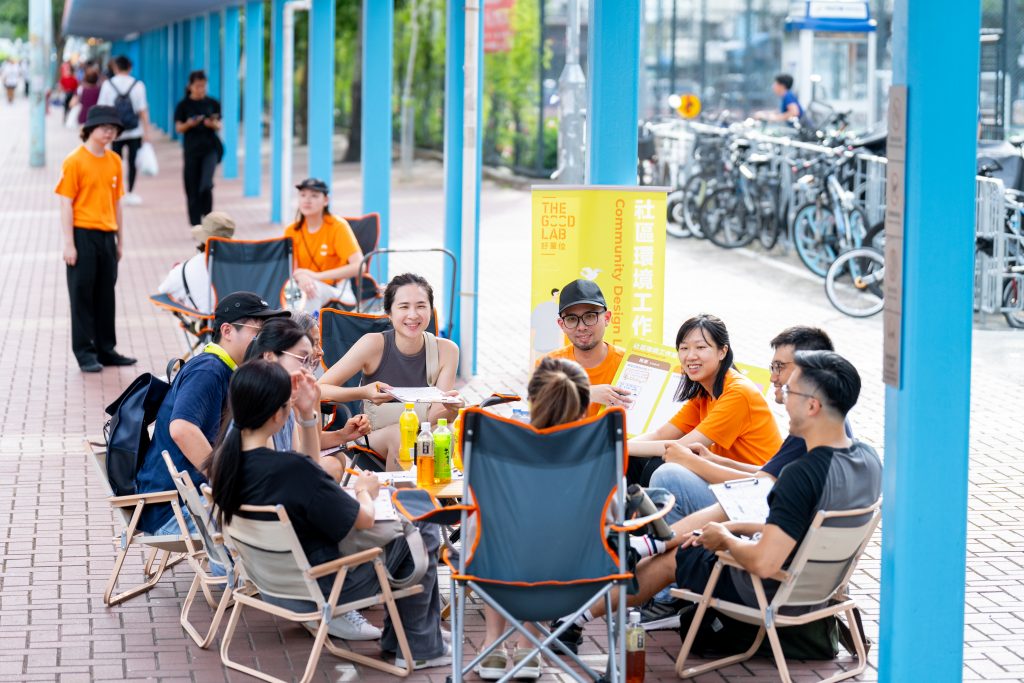
When discussing communities, we naturally default to viewing them as spatially bounded areas. This remains an indispensable dimension of urban life. However, inviting individuals to share their personal understanding of a community opens up opportunities to reshape those boundaries.
When attempting to foster a sense of belonging through community building, we must ask: What kind of relationship are we helping participants build with their environment? How large is this space, and what does it contain?
We must therefore integrate spatial thinking into engagement processes, inviting participants to observe the totality of their environment. This includes objective physical conditions, emotional responses evoked by the space, and patterns of interaction between people and places. Connecting people to their physical surroundings consolidates a shared understanding of boundaries, collectives, and spaces requiring intervention. The emotional ties and insights accumulated through this process form the capital that sustains community cohesion over time.
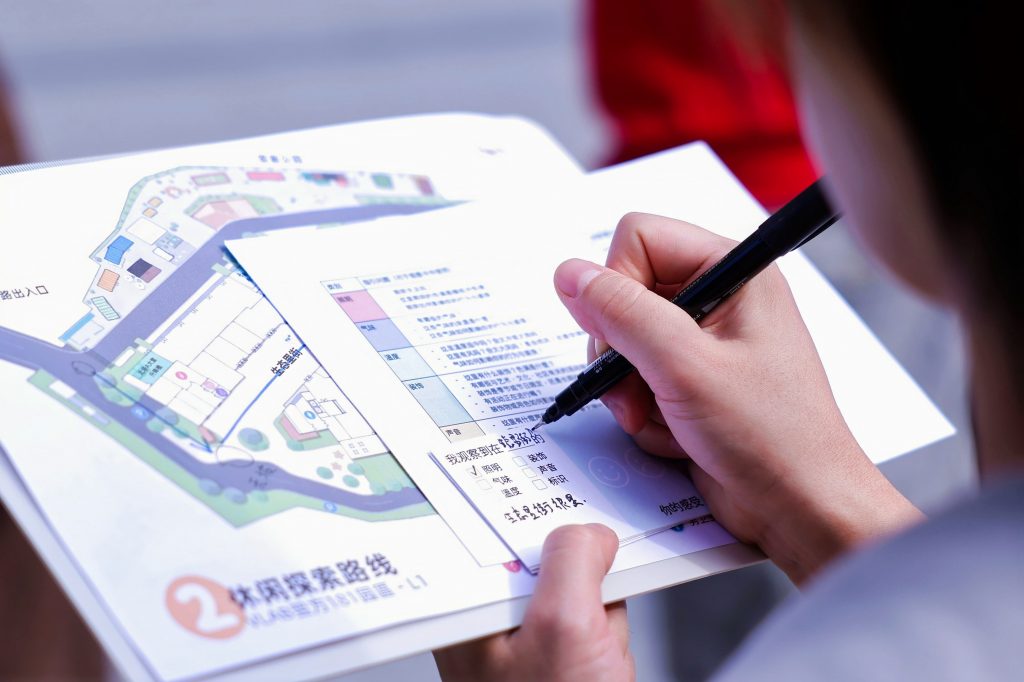
5. Future: Embedding Mutual Benefit as a Collective Habit
Visions of the future are frequently confined to individual career trajectories or personal milestones. For community practitioners, however, achieving profound and lasting change depends on cultivating a conscious relationship between individuals and the future.
Participants must come to realise that neighbourhood prosperity directly benefits them. When they subsequently plan their own futures, they begin to factor in how the community can act as a vital partner in realising that vision. Once empathising with one's surroundings becomes a daily habit, working toward a mutually beneficial future for the neighbourhood transforms into a collective routine.
Self, Others, Knowledge, Environment, and Future: Empowering Relationships as the Ultimate Goal of Community Building
Emphasising that community building is relationship building does not imply that physical space is unimportant. Rather, it underscores the fact that a community functions as a place designed to support a good life. It relies on the ongoing interaction of resources, knowledge, and social networks within a spatial setting. This relational web defines our understanding of a community.
Approaching community initiatives through the lens of relationships encourages practitioners to make the local context tangible. By deploying targeted design tools, we empower stakeholders in two fundamental ways: first, by enhancing participants' capacities and equipping them with the mindsets required for civic engagement; and second, by ensuring that their values and experiences are heard and validated through interaction with the wider public.
Ensuring that empowered relationships are reflected within the neighbourhood is the ultimate purpose of bringing community building into local spaces.
Ensuring that empowered relationships are reflected within the neighbourhood is the ultimate purpose of bringing community building into local spaces.
Viewing Hong Kong Community Building Through Asian Cities
Over the past year, Good Lab launched the "How Come Communities" programme, leading Hong Kong partners to visit Mainland Chinese cities to understand regional developments in community building across East Asia, while also hosting delegations to examine Hong Kong projects. We believe that fostering exchanges among practitioners across different regions enables the collision of concepts, sparks innovative approaches, and offers valuable insights for current practices. Moving forward, we will continue to share cases learned from various locations, comparing them with Hong Kong's current landscape to pool regional knowledge for the local community building network.
Note
Note 1: Good Lab (25 November 2025), [From "Place" to "Community": Reflections Stemming from a Discussion]


(EMAIL)
info@goodlab.hk(PHONE)
+852 2151 0747