


Capacity Building
In the Age of AI, What Remains?
(PUBLISHED)
September 14, 2026
(WRITER)
Pun @Good Lab
A few years ago, when we discussed how technology could address urban issues, the focus was almost always on how data could help solve problems. Today, global attention has shifted to artificial intelligence (“AI”). AI does more than speed up data organisation and analysis; it lowers the barrier to entry for writing, graphics, visualisation, and proposal development, reshaping the daily workflows of many professionals.
My background is in urban planning. Back in my university days, before every project review, we would pull all-nighters in the studio, rushing drawings, running analyses, building models, and polishing layouts. Prior to that came field research, observations, site surveys, and data processing. The work was painstaking and tedious, yet many key design insights emerged precisely through this repetitive process of organising, comparing, and refining.
Technology Frees Our Hands, But Brings Unease
Today, AI can assist with much of this workload. Tasks ranging from preliminary regulatory research and case studies to initial planning statements, image generation, data analysis, and pitch deck design can be completed in a fraction of the time. Yet this leaves many young planners around me feeling uneasy. The foundational tasks once used to build expertise are being rapidly replaced by faster, cheaper AI tools. Where, then, does the value of a professional lie?
The Core Lies in Facing Real-World Problems
AI can quickly generate options, weigh pros and cons, render blueprints, and draft documents. But for projects that actually need to land on the ground—whether in placemaking or urban design—the hardest part is rarely coming up with proposals. It is diagnosing what problem we are actually trying to solve: Is this what residents truly care about? Does it address long-standing local constraints and possibilities? Does it overlook the intangible resources and social networks that sustain community life?
"AI will not take our jobs, but it will force us to confront the real core of all our work."
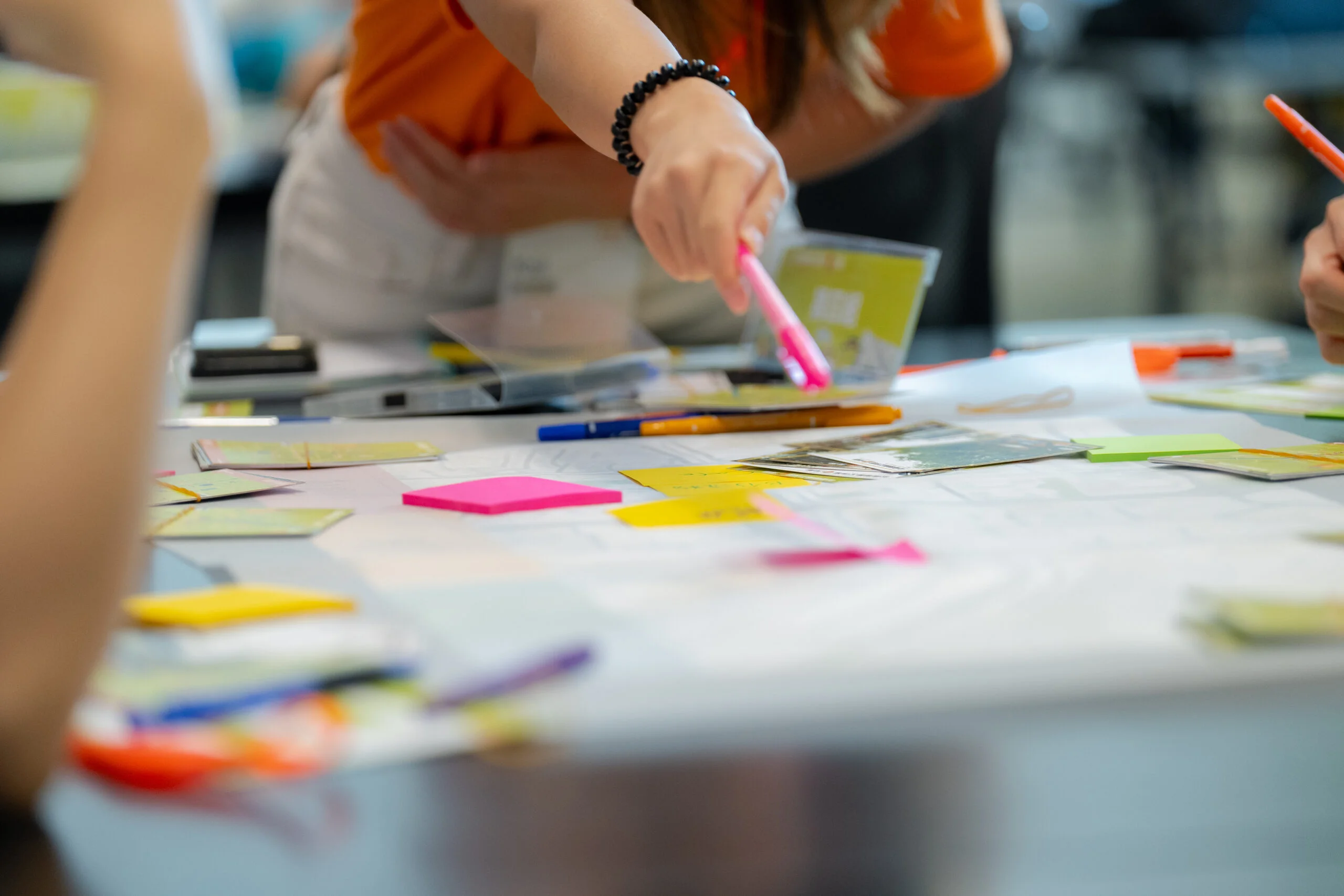
This is the starting point for placemaking, community planning, and social innovation. Real change does not happen simply because a proposal is thorough or the renderings are striking. High-impact interventions require long-term community observation, honest dialogue with diverse stakeholders, and continuous adaptation through trial and error. Planners can design numerous strategies, but whether an approach works depends on complex, real-world factors: local social dynamics, resource distribution, institutional constraints, and baseline trust.
Consider a neighbourhood market with low foot traffic. The easy reaction is often to renovate the space, host events, bring in new vendors, or boost marketing. However, low foot traffic is rarely just a spatial design issue. It may stem from poor accessibility, rental structures, zoning restrictions, management practices, or local consumption habits. Without clarifying the root cause, even the most polished proposal risks treating symptoms rather than the disease.
As a result, a professional's value will shift away from mere execution and deliverable output. The ability to reframe problems, understand human realities, build relationships, and facilitate collaboration will become increasingly vital—and far harder to automate. In the face of competing interests, regulatory frameworks, and conflicting values, the primary role of a professional will be to forge a shared direction forward.
Returning to the Field and to People
When data compilation, analysis, and visualisation are accelerated, people gain back time for phases historically compressed by deadlines: immersive fieldwork, open cross-sector dialogue, thorough stakeholder engagement, and critical reflection on underlying assumptions. AI can help us reach the project site faster, but it cannot step onto the field to build trust, make judgment calls, or take accountability for outcomes.
This is not the first time the planning and built environment sectors have navigated technological shifts. Computer-Aided Design (CAD) replaced manual drafting, and Geographic Information Systems (GIS) lowered the cost of spatial analysis. Every technological leap phases out routine tasks while pushing professionals to redefine their purpose. While the shift driven by AI may be faster and broader, its underlying nature remains the same: it allows us—and challenges us—to dedicate our time and capabilities to harder, more human-centred work.
Defining the core problem is where every meaningful intervention begins. As AI handles more execution, the capacity to ground ourselves in the field, connect with people, and focus on root causes becomes the defining capability of our era.
Addressing complex urban and community challenges requires more than just more proposals, efficient answers, or technical sophistication. It calls for deeper empathy, sharper questioning, and a willingness to walk alongside communities to explore and experiment amidst uncertainty.
Ultimately, it is together with the community that we will continue to shape better cities and public life.


(EMAIL)
info@goodlab.hk(PHONE)
+852 2151 0747