


Funding Innovation
Letting Communities Define Community Issues: Reflections from a Centennial Foundation
(PUBLISHED)
November 12, 2026
(WRITER)
Franco@Good Lab
Starting from Redefinition
Are there items in your home that haven't been used for years, yet take up a lot of storage space?
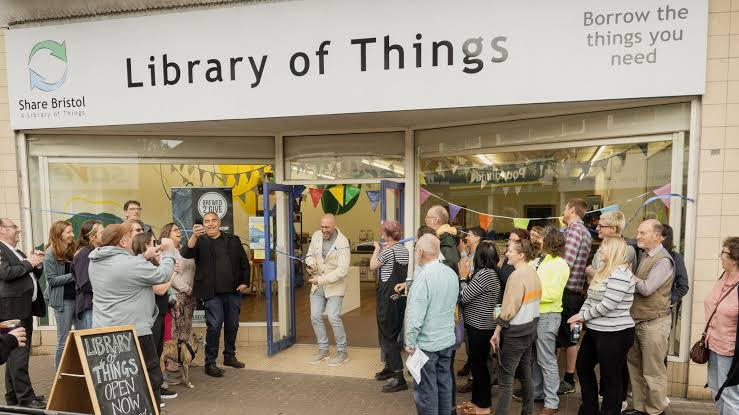
Back in 2014, three young women from London were asking the same question: "Why does each of us need to buy an electric drill that we might not even use once a year? If we redefine ownership, could we co-own certain items with others?" Guided by these questions, they founded the "Library of Things"—a shared space where people can borrow tools. Just like borrowing books from a library, residents can borrow items they rarely need in everyday life, such as powerful vacuum cleaners, loudspeakers, toolboxes, and, most importantly, electric drills.
Over the past twelve years, this idea has grown into a social enterprise spanning more than twenty cities across the UK, offering an alternative to purchasing. Beyond lending tools, the Library of Things regularly runs repair workshops covering basic repairs, sewing, and crafts. As residents share items and skills, they create opportunities to build interpersonal connections and community ties.
Design Rooted in Equal Partnerships
Backing the growth of Library of Things is the Joseph Rowntree Foundation (JRF), established in 1904.
Between 2023 and 2024, JRF funded a cohort of organisations operating on a community-led model, dubbed the 'Pathfinders.' Beyond Library of Things, another Pathfinder turned its focus directly to the practice of design.
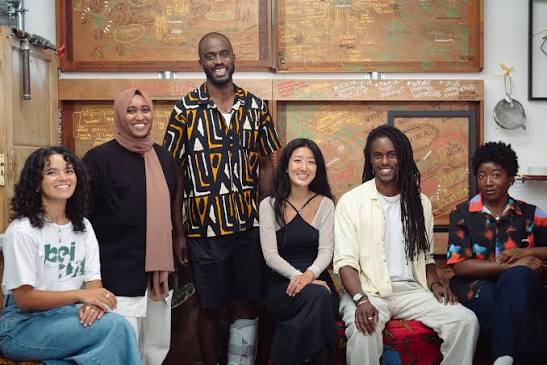
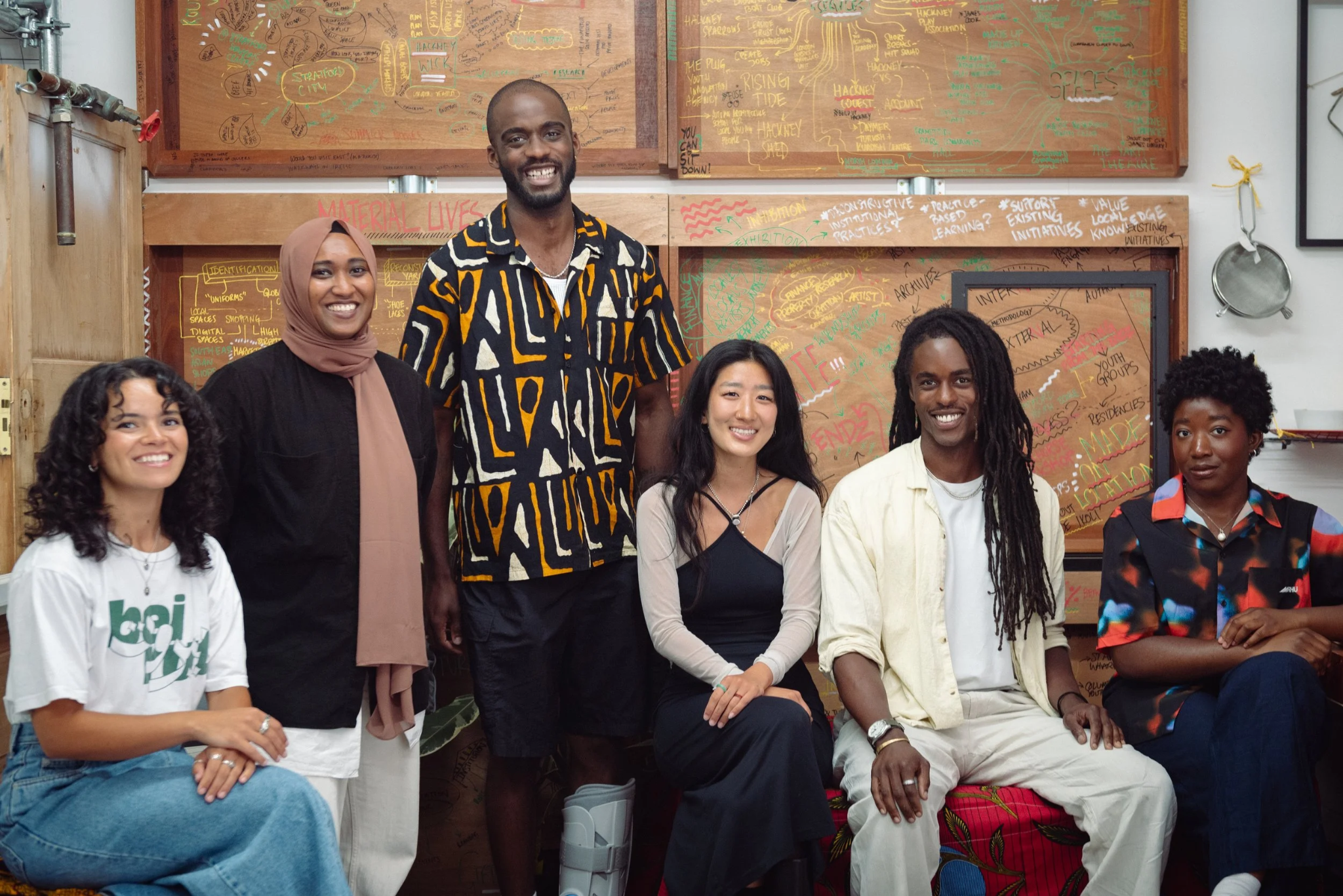
Resolve Collective, a UK-based interdisciplinary design collective combining architecture, engineering, technology, and art, invites young people and underrepresented groups to co-design projects. For them, design itself serves as a lever for systemic change. Across different cities, they host week-long community residencies where grassroots groups from diverse ethnic and marginalised communities gather to unpack complex local issues. Participants scope projects, attend workshops curated by peers, and exchange practical knowledge in an open, reciprocal environment.
Through this process, the role of local residents is fundamentally recast. Community members are not passive beneficiaries; they are co-designers of the project. Working as equals, residents shape their own shared spaces and lay the groundwork for long-term trust.
Community Pathfinders
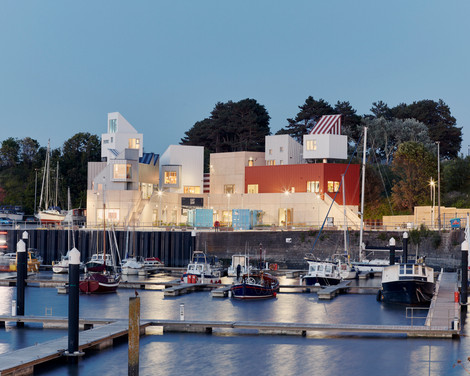
In Watchet, a Somerset coastal town of fewer than four thousand residents, another initiative took this work further. Four local founders launched the social enterprise Onion Collective CIC in 2012. With JRF’s backing, the team used Community Asset Transfer to convert a derelict boatyard into East Quay, a hub housing artist studios, a gallery, and a restaurant. Following an eight-year, community-led development process, East Quay won the Royal Institute of British Architects (RIBA) South West Building of the Year in 2023, recognised for its inclusivity, forward-looking vision, and collaborative delivery model.
The Myth of the "Ecosystem" and New Possibilities
From supporting tool-sharing hubs and reimagining design studios to backing community regeneration projects, JRF provided funding while emphasising local lived experience, the circulation of ideas, and trust between stakeholders.
What stands out is JRF’s candid reflection on the Pathfinders programme. Their initial ambition was to link these grantee organisations into a coherent "ecosystem." Yet over time, they observed a simpler reality: rather than forming an organic ecosystem, the cohort was closer to a loose collection of strangers brought together by a single funding pot. Meeting a few times over two years can spark initial ties, but it still falls far short of a self-sustaining ecosystem.
In recent years, Good Lab’sour work has kept returning to the foundation of trust and human relationships. When we focus on preparing the right ground for natural human agency to take root, the real work starts with everyday habits, local cultures, and deeply held mindsets.
As strategic consultants specialising in cross-sector collaboration, how do we guide systemic change, and in what direction do we want that change to move?
At Good Lab, we invite our peers, funders, and community partners to consider a shared question: If communities need more than just direct services—if they want to exercise their own agency, redefine their roles, and shape the neighbourhoods they envision—and our role is to cultivate the spaces and conditions for that to take root, what must our first step be?


(EMAIL)
info@goodlab.hk(PHONE)
+852 2151 0747